



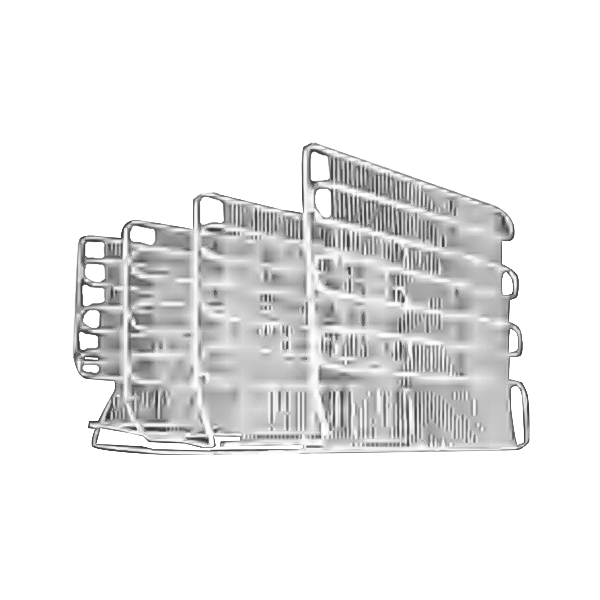
Wire tube evaporators represent a robust and efficient solution for heat exchange in commercial and industrial refrigeration systems. Characterized by steel wires welded to copper or steel tubes, these evaporators offer superior mechanical strength and enhanced heat transfer capabilities compared to traditional plate or fin-and-tube designs. Their open structure facilitates better air circulation and simplifies maintenance, making them ideal for harsh environments such as cold storage warehouses and display cabinets.
The primary advantage of wire tube evaporators lies in their high durability and ease of defrosting. The exposed wire surface area allows for rapid heat exchange with the surrounding air, while the robust construction withstands physical impacts and corrosion. For system designers, selecting a wire tube evaporator often results in lower long-term operational costs due to reduced energy consumption during defrost cycles and minimal maintenance requirements.
Content
The unique geometry of wire tube evaporators significantly influences their thermal performance. Unlike finned coils where fins can restrict airflow when frosted, the wire-on-tube design maintains consistent air permeability.
Manufacturing involves resistance welding steel wires perpendicular to the refrigerant tubes. This creates a rigid grid structure that maximizes surface area without adding excessive weight. The contact between the wire and tube is critical; poor welding leads to thermal resistance, reducing efficiency. High-quality units ensure 100% weld integrity, allowing heat to transfer efficiently from the air to the refrigerant inside the tubes.
The open lattice structure minimizes air pressure drop across the coil. This allows fans to move larger volumes of air with less energy, improving the overall Coefficient of Performance (COP) of the refrigeration system. In contrast, plate evaporators often suffer from blocked airflow channels as ice builds up, requiring more frequent and energy-intensive defrost cycles.
Choosing the right evaporator type depends on the specific application requirements. Wire tube evaporators occupy a niche between cost-effective plate evaporators and high-efficiency finned coils.
| Feature | Wire Tube | Plate | Finned Tube |
|---|---|---|---|
| Heat Transfer Efficiency | High | Medium | Very High |
| Durability | Excellent | Good | Moderate |
| Defrost Ease | Easy (Fast) | Difficult | Moderate |
| Cost | Medium | Low | High |
While finned tube evaporators offer higher initial efficiency, they are prone to fouling and damage in dirty environments. Wire tube evaporators provide a balanced solution, offering 20-30% better heat transfer than plate evaporators with significantly greater resilience than finned coils.
Wire tube evaporators are versatile components used in various cooling applications. Their design makes them particularly suitable for environments where reliability and ease of cleaning are paramount.
In large cold rooms and walk-in freezers, wire tube evaporators are mounted on walls or ceilings. Their robust structure supports heavy frost loads without deformation. During defrost cycles, the open design allows ice to fall away freely, preventing blockages and ensuring rapid return to operating temperature. This reduces compressor runtime and energy costs by approximately 15% compared to plate systems.
For retail display cases, aesthetics and visibility are crucial. Wire tube evaporators can be coated with epoxy or other protective finishes to prevent corrosion and maintain a clean appearance. Their compact profile allows for maximum product visibility while maintaining consistent temperatures across the display area.
Proper installation and regular maintenance are essential to maximize the lifespan and efficiency of wire tube evaporators. Neglecting these aspects can lead to reduced cooling capacity and increased energy consumption.
In conclusion, wire tube evaporators offer a compelling combination of durability, efficiency, and ease of maintenance for commercial refrigeration systems. By understanding their design advantages and adhering to best practices, operators can ensure reliable cooling performance and optimal energy usage.
Your email address will not be published. Required field are marked*

No.380 Kangyang Rd in the north,HuangdaiTown,Xiangcheng District,Suzhou City,215143

0512-65481378

 English
 中文简体
中文简体
