 English
 中文简体
中文简体Industry News
HOME / BLOG / Industry News / what is the purpose of a condenser: Practical Applications, Selection, Performance




When a refrigerator starts losing its cooling power, the condenser is often the component that needs checking. The direct answer is that the purpose of a condenser is to transfer heat from the refrigerant to the surrounding environment, allowing the refrigerant to turn back into a liquid so the cooling cycle can continue. This single function drives compressor pressure, system reliability, and energy consumption across every kind of refrigeration equipment.
Content
The refrigeration cycle moves heat from inside the cabinet to the outside. The compressor first draws in low-pressure vapor and compresses it into a high-pressure, high-temperature superheated vapor. This vapor travels through the condenser coil, where heat is released to the surrounding air or water.
During this cooling process, the refrigerant passes through several stages: it first loses its superheat, then condenses from vapor to liquid at a constant temperature, and finally subcools slightly below that saturation point. The heat released at the condenser is the sum of the heat absorbed inside the cabinet and the energy added by the compressor. That is why a condenser must be sized carefully: if it cannot reject enough heat, the discharge pressure climbs, and the system efficiency drops.
A well-designed condenser keeps the refrigerant at the proper condensing temperature. The difference between the condensing temperature and the ambient temperature drives the heat transfer. In a typical R134a refrigerator system, the condensing temperature might be 45–55°C at a pressure of 10–14 bar, depending on the ambient conditions. If this temperature difference is too small, the condenser surface area needs to be larger; if too large, you risk operating the compressor beyond its intended limits.
An undersized or dirty condenser creates a cascade of problems. The compressor must work against a higher discharge pressure, which increases electrical demand and reduces the cooling capacity. In a domestic refrigerator, this means the compressor runs longer, food stays warmer, and the energy bill rises. In a commercial display cabinet, the result can be product loss and higher service costs.
Condenser performance also affects the condenser's ability to subcool the liquid refrigerant. Sufficient subcooling prevents flash gas at the expansion device, which improves metering accuracy and overall system stability. For a manufacturer, choosing the right condenser geometry and surface area is not just about meeting a nominal load; it is about maintaining performance over the entire product life cycle.
Regular maintenance is a key part of sustaining this performance. Cleaning the coil, ensuring airflow, and checking for corrosion are basic steps. You can read more about practical maintenance approaches in our guide on refrigerator condenser maintenance and efficiency.
Many designs exist, but the most common in household and commercial refrigeration are wire tube, tube on plate, rotary wing, and built-in (inside) condensers. Each has its own advantages in cost, airflow, and mounting.
| Type | Construction | Typical Application |
|---|---|---|
| Wire tube | Steel tube with welded wires | Household refrigerators and freezers |
| Tube on plate | Tube pressed against a metal plate | Display cabinets and commercial units |
| Rotary wing | Finned tube in a rotating configuration | Compact appliance condensers |
| Inside / built-in | Condenser placed inside the appliance structure | Space-limited designs |
Wire tube condensers are a common choice for small to medium loads. They use a steel tube serpentine to which steel wires are welded. This structure maximizes surface area while keeping the unit lightweight and cost-effective. Multi-layer versions increase the tube length in the same footprint, making them suitable for higher heat rejection.
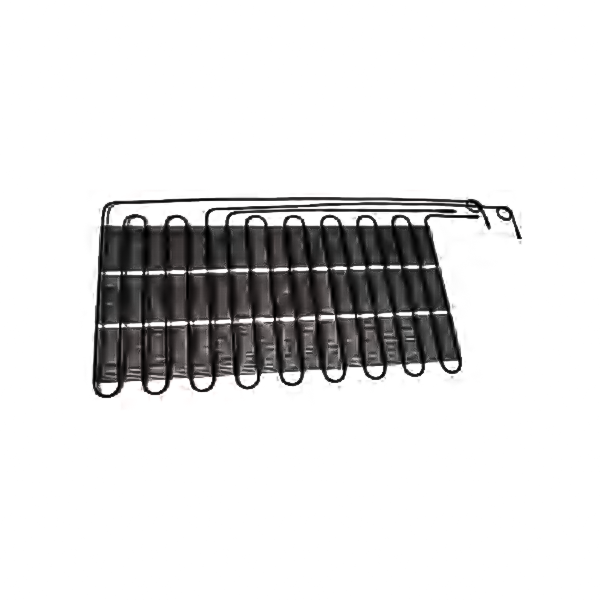 Single-Layer Wire Tube Condenser for RefrigeratorsThis single-layer wire tube condenser offers efficient heat rejection with a lightweight and cost-effective design. It features electrophoretic coating and meets R134a system requirements, making it suitable for small to medium cooling loads.View Product →
Tube on plate condensers place a refrigerant tube against a metal plate, often with a window blind or louvered design. The plate acts as a heat transfer fin, and the tube is bonded to the plate for improved thermal contact. These condensers are often found in commercial display cabinets and in products with more available external space.
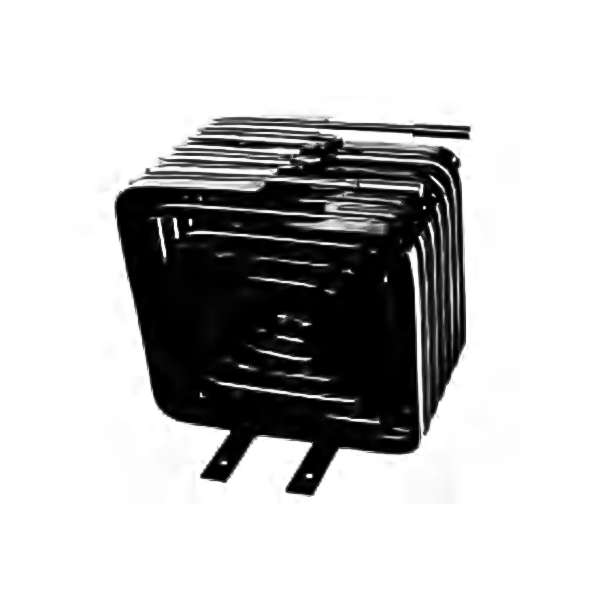 Tube on Plate Condenser for Commercial Display CabinetsThis tube on plate condenser uses a louvered metal plate to enhance heat transfer and airflow. It is ideal for applications with more external space, such as commercial display cabinets, and supports R134a systems.View Product →
Rotary wing condensers, as the name suggests, use a rotating wing-like fin arrangement. The design is intended to provide a large heat exchange area in a compact geometry, which makes it useful for appliances where space is restricted. Window blind condensers are a variant of tube on plate, using a louvered surface to direct air and enhance convection.
Inside, or built-in, condensers are located within the refrigerator's walls or structure. This saves external space and can improve the appliance's aesthetic, but it requires careful insulation and design so that heat is not transferred back into the cabinet. They are common in compact refrigerators and in beverage coolers.
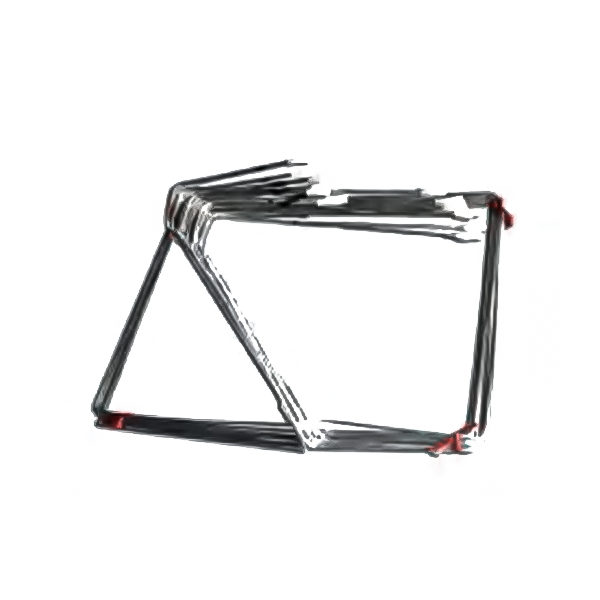 Built-In Condenser for Compact RefrigeratorsThis internal condenser is designed to be integrated into refrigerator walls, saving external space and improving aesthetics. It ensures proper insulation and is suitable for compact refrigerators and beverage coolers.View Product →
The difference between a tube on plate condenser and other types is not just construction; it also affects how the unit is serviced and how airflow is managed. You can learn more in our article that explains how a tube on plate condenser differs from a wire tube design.
Choosing the right condenser is a technical decision that affects the final appliance's energy rating, noise, cost, and serviceability. The main factors are:
For an OEM, working with a manufacturer that follows a consistent quality system is important. A supplier with ISO 9001 certification, for example, uses documented processes from raw material selection to final testing. A condenser that is produced under such a system will have consistent tube size, weld quality, and dimensional tolerances, all of which affect heat transfer and assembly.
Finally, think about the total cost of ownership. A slightly more expensive condenser that reduces the compressor's work can lower the appliance's lifespan energy cost and also improve its noise level. In commercial units where service is expensive, using a durable condenser design can significantly reduce maintenance calls. This trade-off is often worth the initial investment.
The purpose of a condenser is fundamentally about heat rejection. It takes the heat absorbed by the refrigerant and releases it to the environment, allowing the refrigerant to condense and the cycle to continue. A correctly sized and well-maintained condenser keeps compressor pressure in check, improves energy efficiency, and extends the service life of the entire refrigeration system.
Whether you are designing a refrigerator, a freezer, a display cabinet, or a water dispenser, understanding the role of the condenser helps you make better component choices. Pay attention to the heat load, environment, and construction materials. If you need a reliable condenser supplier with experience in wire tube, tube on plate, or built-in designs, the right manufacturing partner can make the difference.
Your email address will not be published. Required field are marked*

No.380 Kangyang Rd in the north,HuangdaiTown,Xiangcheng District,Suzhou City,215143

0512-65481378


