 English
 中文简体
中文简体Industry News
HOME / BLOG / Industry News / How Do Tube On Plate Condensers Enhance System Reliability and Performance?




Content
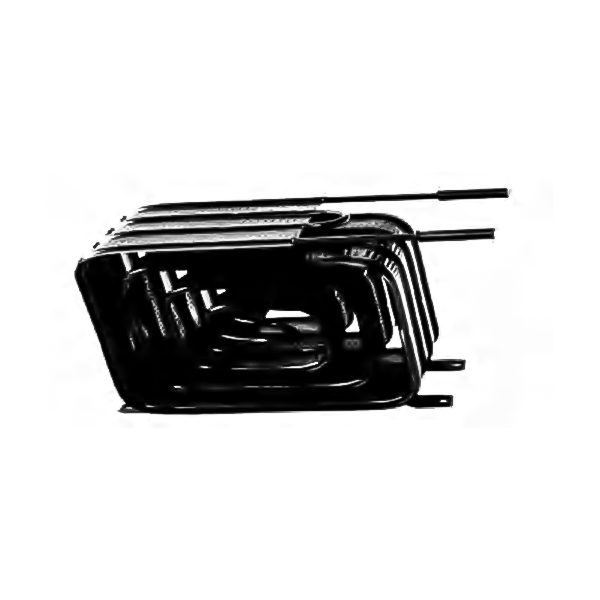
Tube on plate condensers are a critical component in modern industrial cooling and heat exchange systems. Designed to optimize thermal performance, these condensers consist of tubes attached to a flat plate surface, facilitating efficient heat transfer between fluids. Their compact design, reliability, and adaptability make them a preferred choice across industries, including power generation, chemical processing, HVAC systems, and refrigeration.
The increasing demand for energy-efficient and high-performance heat exchange equipment has driven innovations in tube on plate condenser design. By combining durability, precision engineering, and effective heat transfer, these condensers ensure consistent system operation and reduced maintenance needs.
Understanding the design features of tube on plate condensers is crucial to appreciating their role in enhancing system reliability and performance.
The condenser consists of multiple tubes fixed onto a plate surface. The plate acts as a heat sink, while the tubes allow the fluid to pass through efficiently. This configuration maximizes the contact surface area, ensuring rapid heat dissipation and effective thermal management.
Materials for tubes and plates are selected for thermal conductivity, corrosion resistance, and durability. Common choices include copper, stainless steel, and aluminum alloys. High-quality materials prevent leaks, reduce corrosion risks, and maintain performance over extended operational periods.
Tube on plate condensers are designed to fit into limited spaces without compromising performance. Modular designs allow for easy scalability, enabling operators to adjust capacity according to system requirements. This flexibility supports reliability in dynamic industrial environments.
The primary advantage of tube on plate condensers is their ability to enhance system performance. Optimized heat transfer and fluid dynamics contribute to higher efficiency and operational stability.
The design maximizes surface area contact between the fluid in the tubes and the plate. This increases the rate of heat exchange, reduces energy consumption, and maintains consistent operating temperatures, which is crucial for sensitive industrial processes.
Improved thermal efficiency translates to lower energy requirements for cooling or heating. By maintaining optimal temperatures, systems operate more efficiently, reducing electricity consumption and operational costs over time.
Consistent heat removal prevents overheating, pressure fluctuations, and system stress. Tube on plate condensers contribute to stable operational conditions, reducing the likelihood of unplanned shutdowns or equipment failure.
Reliability is a major consideration in industrial systems. Tube on plate condensers are engineered to withstand harsh conditions while providing consistent performance over extended periods.
Materials resistant to corrosion and wear extend the service life of condensers. Stainless steel and copper alloys maintain structural integrity even under high temperatures, chemical exposure, and continuous operation.
The simple tube-on-plate design reduces mechanical complexity. Fewer moving parts and robust construction minimize the need for frequent maintenance, reducing downtime and associated costs.
Precision engineering and high-quality seals prevent fluid leaks, a common source of system failure. Reliable sealing ensures operational safety and prevents contamination of fluids, supporting overall system integrity.
Tube on plate condensers are versatile and used in a variety of industrial applications. Their performance and reliability make them suitable for demanding processes where consistent heat management is critical.
In power plants, tube on plate condensers efficiently manage heat in steam and cooling systems. Their ability to maintain stable temperatures improves turbine efficiency and prevents thermal stress on equipment.
Precise thermal control is crucial for chemical reactions. Tube on plate condensers facilitate heat removal or addition as needed, supporting process stability, product quality, and safety standards.
In commercial and industrial HVAC systems, these condensers provide reliable cooling while reducing energy consumption. Their compact design allows integration into various configurations without compromising performance.
Understanding the advantages of tube on plate condensers becomes clearer when compared to other common condenser designs such as shell-and-tube or plate-fin condensers.
| Feature | Tube On Plate | Shell-and-Tube | Plate-Fin |
| Space Efficiency | High | Moderate | High |
| Maintenance | Low | Moderate | High |
| Heat Transfer Efficiency | High | Moderate | High |
| Durability | High | High | Moderate |
Tube on plate condensers are a robust and efficient solution for modern industrial cooling and heat transfer needs. Their design maximizes thermal efficiency, ensures durability, reduces maintenance requirements, and supports consistent system performance.
By incorporating these condensers, industries can achieve improved energy efficiency, enhanced operational reliability, and reduced downtime. With versatility across applications and proven performance advantages, tube on plate condensers remain an essential component for optimizing industrial system reliability and performance.
Your email address will not be published. Required field are marked*

No.380 Kangyang Rd in the north,HuangdaiTown,Xiangcheng District,Suzhou City,215143

0512-65481378


