



Content
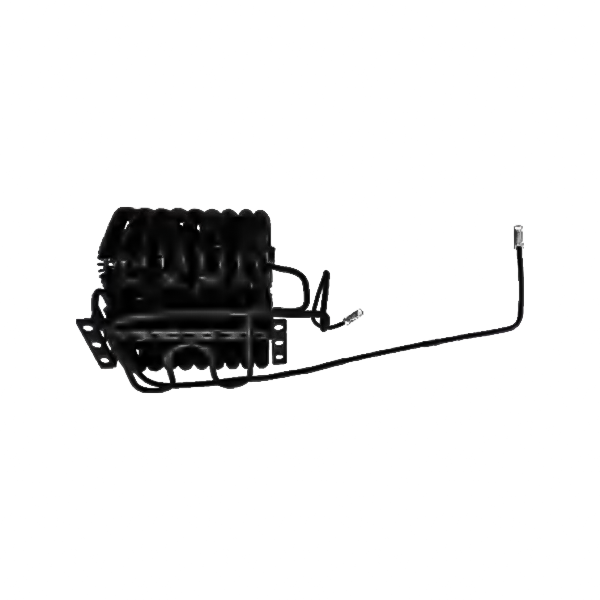
The rotary wing type condenser is an innovative heat exchange device widely used in industrial and HVAC applications. Its unique rotary wing design enables efficient heat transfer while minimizing energy consumption. Unlike traditional stationary condensers, this type of condenser uses rotating wings or blades to increase contact between the cooling medium and the vapor, enhancing condensation efficiency. This design contributes to reduced energy usage, lower operational costs, and improved system reliability, making it a preferred choice in modern industrial processes.
Understanding the design principles and key components of the rotary wing type condenser helps explain its energy-saving potential.
The primary feature is the rotary wings, which rotate within the condenser shell to continuously expose fresh surface area to the vapor. This rotation enhances heat transfer efficiency, reduces the condensation resistance, and ensures uniform temperature distribution throughout the system.
The condenser is designed with multiple channels for the cooling medium, such as water or refrigerant. These channels maximize contact with the vapor, improving the rate of heat removal and reducing the overall energy needed for condensation.
High-efficiency motors drive the rotary wings at optimized speeds to balance energy consumption and heat transfer. Advanced drive systems allow variable speed control, adapting to load variations and further reducing energy costs.
Modern rotary wing condensers include sensors for temperature, vibration, and pressure monitoring. These systems prevent operational anomalies, enhance safety, and ensure the condenser operates at peak efficiency without unnecessary energy loss.
The rotary wing type condenser offers several advantages that directly impact energy consumption and operational efficiency.
Rotating wings constantly refresh the condensation surface, ensuring maximum heat transfer. This minimizes the temperature difference needed for condensation, reducing energy requirements for auxiliary cooling systems.
Enhanced heat transfer reduces the flow rate needed for cooling water or air. Consequently, pumps and fans operate at lower power levels, decreasing overall energy consumption without compromising performance.
Variable speed control allows the condenser to adjust to changing process loads. During low-demand periods, the rotary wings can rotate more slowly, conserving energy while maintaining adequate condensation.
Rotary wing type condensers are utilized in various industries where energy efficiency and reliable cooling are critical.
In chemical processing, condensers manage vapor recovery and heat exchange. The rotary wing design reduces energy consumption while maintaining high condensation efficiency, which is essential for continuous chemical reactions and solvent recovery.
Steam power plants rely on condensers to convert exhaust steam into water. Rotary wing type condensers enhance heat transfer, lower cooling water requirements, and decrease energy losses, improving overall plant efficiency.
Large-scale HVAC and refrigeration systems benefit from the improved energy efficiency of rotary wing condensers. Lower fan and pump loads reduce electricity costs, while the system maintains stable temperatures and reliable cooling performance.
A comparison highlights the energy-saving benefits of rotary wing type condensers.
| Feature | Rotary Wing Condenser | Conventional Condenser |
| Heat Transfer Efficiency | High (rotating wings enhance condensation) | Moderate (stationary surfaces) |
| Energy Consumption | Lower (reduced pump and fan power) | Higher (greater cooling requirements) |
| Adaptability | Variable speed control for load changes | Fixed operation, less responsive |
| Maintenance | Moderate (rotating components require monitoring) | Low to moderate (stationary components) |
| Operational Stability | High (uniform condensation) | Moderate (possible hot spots) |
Advancements in materials, monitoring technology, and system integration are expected to further improve energy efficiency.
Using lightweight, corrosion-resistant alloys or composites for the rotary wings reduces mechanical energy losses and increases lifespan, contributing to overall system efficiency.
Integration of IoT sensors and AI-based control systems allows real-time adjustment of rotation speed, cooling flow rates, and load distribution, maximizing energy savings and operational reliability.
Manufacturers are increasingly designing condensers for easy maintenance, reduced material waste, and recyclability, supporting sustainable industrial operations while maintaining energy efficiency.
The rotary wing type condenser represents a significant advancement in industrial and HVAC heat exchange technology. By enhancing condensation efficiency, reducing pump and fan energy consumption, and adapting to varying process loads, it offers measurable energy savings compared to conventional designs. Its applications across chemical, power, and HVAC industries demonstrate its versatility and efficiency. As technological innovations continue to improve blade design, monitoring systems, and sustainability, the rotary wing type condenser will remain a key solution for reducing energy consumption while maintaining high-performance cooling and condensation.
Your email address will not be published. Required field are marked*

No.380 Kangyang Rd in the north,HuangdaiTown,Xiangcheng District,Suzhou City,215143

0512-65481378

 English
 中文简体
中文简体
