 English
 中文简体
中文简体Industry News
HOME / BLOG / Industry News / Air Cooled Heat Exchanger Maintenance: How to Protect Condensers and Evaporators




When a walk-in cooler starts running longer cycles and the compressor discharge line feels hotter than normal, most operators first suspect the refrigerant charge. In many cases, the real problem is an air cooled heat exchanger that has silently lost its ability to reject heat. Dust, grease, bent fins, and failing fan airflow can reduce heat transfer enough to turn a healthy system into an energy-hungry one.
The conclusion is simple: air cooled heat exchanger maintenance delivers more reliability per dollar than almost any other refrigeration activity. Keeping condenser and evaporator surfaces clean protects cooling capacity, lowers power draw, and prevents the compressor failures that shorten equipment life.
Content
An air cooled condenser or evaporator moves heat between the refrigerant and the surrounding air. Any layer of dirt, lint, or oxide on the surface acts as an insulator. The compressor must work harder to maintain the same temperature, which raises head pressure, increases current draw, and reduces overall efficiency.
The impact is measurable. A dirty condenser can lift the condensing temperature by several degrees Celsius, and every added degree costs energy and stresses the compressor. On the evaporator side, fouling lowers the evaporating temperature and weakens humidity removal, creating food safety and product quality issues in commercial units. This is why routine condenser maintenance directly affects overall refrigeration efficiency.
Before planning maintenance, understand what you are fighting. Four factors account for most performance loss in air cooled heat exchangers.
Dust, cooking oil, textile fibers, and insect debris accumulate on fins and wire surfaces. In industrial kitchens and production areas, airborne grease bonds with dust into a film that dry cleaning alone cannot remove.
Aluminum fins, copper tubes, and steel wire are often combined in one coil. When moisture and chlorides are present, galvanic corrosion attacks the least noble metal, usually aluminum or steel. White powder on aluminum surfaces and green patina on copper are warning signs.
A heat exchanger is only as good as the air moving through it. Worn bearings, bent blades, or blocked inlet and outlet grilles reduce airflow and mimic the symptoms of a dirty coil.
Oil film inside the tubes, moisture, and non-condensable gases reduce heat transfer from the refrigerant side. These problems cannot be cured by surface cleaning; they require a refrigeration technician to recover, evaluate, and recharge the system.
The right cleaning frequency depends on the environment. A condenser in a clean warehouse needs less attention than one in a restaurant kitchen or near a busy road. The table below gives practical starting points.
| Task | Interval | What to inspect |
|---|---|---|
| Visual and airflow check | Monthly | Surface dirt, fan rotation, grille blockage, oil stains at joints |
| Dry cleaning with compressed air or brush | Every 2 to 3 months | Fin spacing, wire surface condition, visible corrosion |
| Fan motor and blade inspection | Every 6 months | Bearing noise, blade pitch, motor current, mounting tightness |
| Pressure and temperature verification | Every 6 months | Condensing and evaporating pressure, superheat, subcooling |
| Deep wet cleaning and fin straightening | Annually | Aluminum fin condition, coil coating, drainage around the unit |
Use the schedule as a baseline and adjust it based on measured results. If energy consumption or head pressure climbs quickly after a clean, shorten the interval.
Cleaning is not difficult, but doing it wrong can permanently damage the heat exchanger. Follow this sequence.
Evaporator coils need special care because they operate below the dew point. A densely packed fin surface that collects dust also collects condensed water, which turns dirt into mud. Cleaning aluminum fin evaporators requires low-pressure rinsing and enough time to flush debris out of the drain pan.
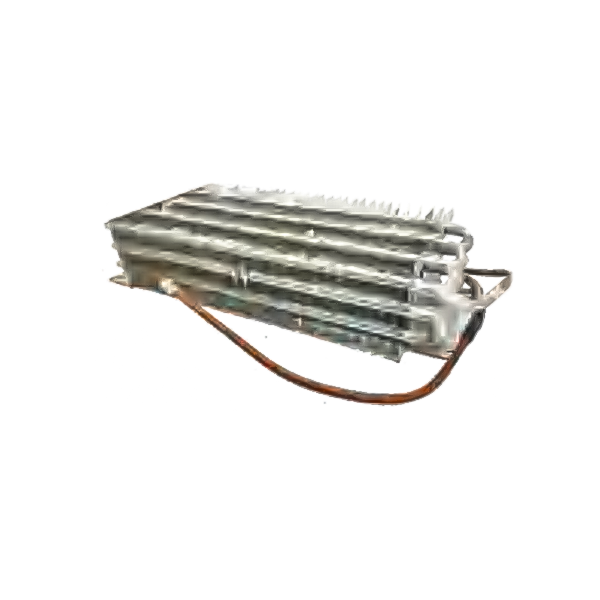 Aluminum Tube Fin Type Evaporators ManufacturersView More 126 Fin Type Evaporator(Aluminum Tube)View Product →
If cleaning does not restore performance, suspect internal tube fouling or a refrigerant-side issue rather than repeating external cleanings.
Use this checklist during every scheduled visit. It catches problems before they cause downtime.
For compact plate-type units, inspect the bond between the tube and the plate. A tube on plate condenser that shows flaking paint, rust, or swelling at the bends has lost part of its heat transfer path and will continue to weaken.
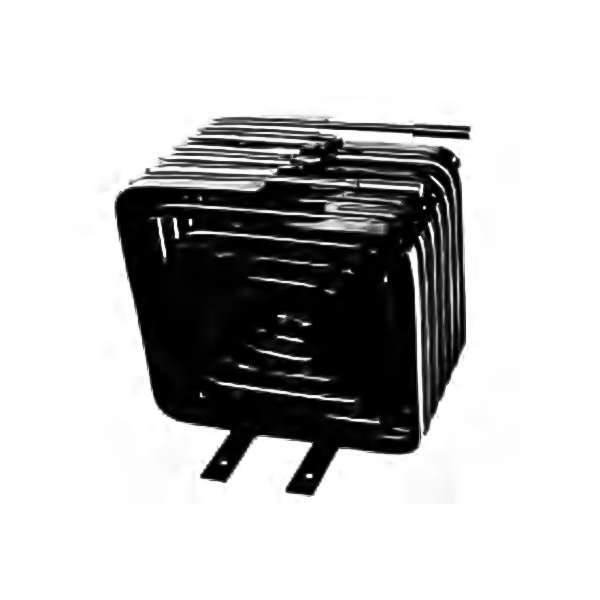 Tube On Plate Condensers ManufacturersView More 082 Tube On Plate CondenserView Product →
Different constructions behave differently in service. Knowing what to expect helps you target maintenance effort where it matters.
Wire tube coils have an open structure that sheds dust better than dense fin packs. However, the wire-to-tube bond is mechanical and can loosen over time, and corrosion on steel wire can flake onto surfaces below the condenser.
These are compact and robust, which makes them popular in small refrigeration appliances. Their flat surfaces shed dust poorly when mounted horizontally, and the plate edges and return bends are the first places to show corrosion.
Aluminum fin evaporators are light and inexpensive but easily damaged by harsh cleaning. Copper tube versions resist internal corrosion better and suit aggressive environments. Fin density determines both performance and cleaning difficulty; high-density fins clog faster and require gentler dry cleaning.
Some designs mount the condenser inside the cabinet or a protected channel. This keeps the surface clean and eliminates guard removal during cleaning. The trade-off is that access for repair is more difficult, and airflow failure may go unnoticed until the system trips.
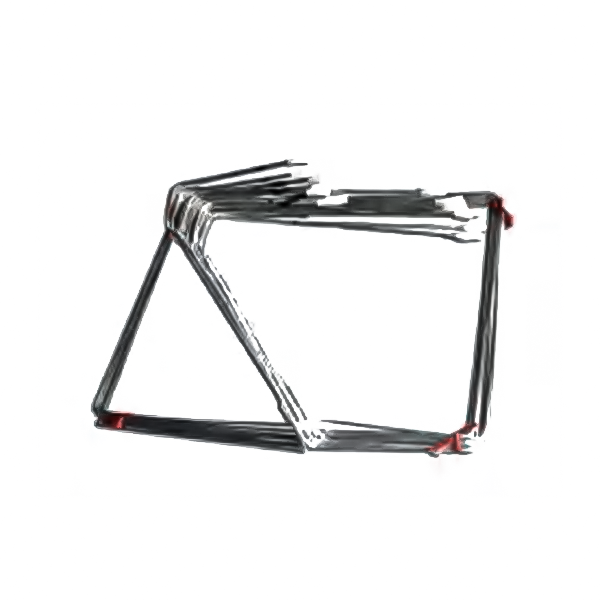 Built-in Condensers ManufacturersView More 116 Condenser Used InsideView Product →
Cleaning extends the life of a sound heat exchanger, but every coil eventually reaches a point where replacement is more economical than another repair.
| Situation | Recommended action |
|---|---|
| Light dust or grease fouling with intact fins | Clean and verify performance |
| Bent fins over less than 10 percent of the face area | Straighten with a fin comb |
| Multiple corrosion leaks or active galvanic corrosion | Replace the heat exchanger |
| Oil contamination inside the refrigerant circuit | Replace the coil and flush the system |
| Loose wire-to-tube bonds across a wide area | Replace rather than attempt field re-brazing |
| Dented or collapsed tube sections | Replace the coil |
Age also matters. If the unit has already been cleaned several times and shows signs of thinning metal, the savings from one more cleaning may not justify the risk of a leak during the next busy season.
Air cooled heat exchanger maintenance does not require expensive tools or exotic technology. It requires a regular schedule, the right cleaning technique, and someone who knows what to look for. Condensers and evaporators built with consistent material selection and quality control start with fewer defects, but every coil still depends on the people who maintain it.
At Suzhou Yikangda Electrical Appliance Co., Ltd., we have designed and produced condensers and evaporators for refrigeration appliances since 1992, and we build our products with service life in mind. If you are specifying replacement coils or designing a system that must stay reliable for years, we can help you select the right construction.
Your email address will not be published. Required field are marked*

No.380 Kangyang Rd in the north,HuangdaiTown,Xiangcheng District,Suzhou City,215143

0512-65481378


