



Wire tube evaporators represent a robust and efficient solution for commercial refrigeration systems, particularly in environments requiring rapid heat exchange and effective defrosting. By utilizing a design where steel wires are welded perpendicularly to copper or steel tubes, these evaporators maximize surface area exposure to air, resulting in superior thermal conductivity compared to traditional plate evaporators. For facility managers and HVAC technicians, the key advantage lies in their ability to maintain consistent cooling performance in high-humidity conditions while reducing energy consumption associated with defrost cycles by up to 20%.
Content
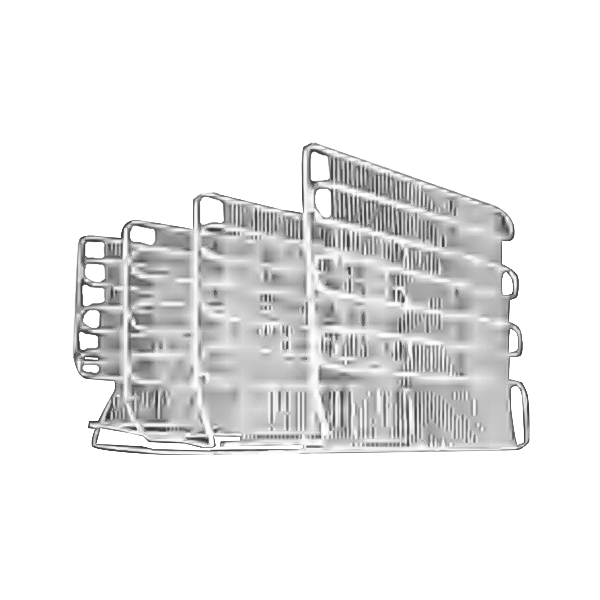
The structural integrity of a wire tube evaporator is defined by its unique geometry. Unlike plate evaporators, which rely on contact between a flat surface and the product or air, wire tube designs allow air to circulate freely around the entire circumference of the tubing. The welded wires act as fins, significantly increasing the surface area available for heat absorption without obstructing airflow. This open structure minimizes air resistance, allowing fans to move larger volumes of air with less energy.
Most high-quality wire tube evaporators are constructed from carbon steel tubes and wires, often coated with epoxy or galvanized to resist corrosion. In marine or highly corrosive environments, stainless steel variants are available. The bonding between the wire and tube is achieved through resistance welding, ensuring a permanent thermal connection that does not degrade over time due to thermal expansion and contraction cycles.
One of the most significant operational benefits of wire tube evaporators is their performance during defrost cycles. In commercial freezers and chillers, frost buildup is inevitable. Plate evaporators often trap ice between the plate and the product, acting as an insulator and reducing efficiency. In contrast, the open structure of wire tube evaporators allows frost to form evenly on the wires, which can be quickly melted away using hot gas or electric defrost methods.
Because the ice layer is exposed directly to the defrost heat source, the cycle time is significantly shorter. Data from commercial installations suggests that wire tube evaporators can reduce defrost duration by 15-25 minutes per cycle compared to plate equivalents. This not only saves energy but also minimizes temperature fluctuations within the cabinet, preserving the quality of stored goods.
| Feature | Wire Tube Evaporator | Plate Evaporator |
|---|---|---|
| Heat Transfer Efficiency | High (Air Contact) | Moderate (Contact Dependent) |
| Defrost Speed | Fast (Open Structure) | Slow (Insulated by Product) |
| Airflow Resistance | Low | High |
| Best Application | Air Cooling (Freezers/Chillers) | Contact Cooling (Packaged Goods) |
To ensure the long-term efficiency of wire tube evaporators, regular maintenance is essential. While their robust design makes them durable, they are susceptible to corrosion if the protective coating is compromised. Cleaning should be performed using non-abrasive, pH-neutral cleaners to avoid damaging the epoxy or galvanization. High-pressure water jets should be used with caution, as they can bend the wires or damage the weld points.
Routine inspections should focus on identifying signs of rust, particularly at the weld joints where stress concentrations are highest. If minor corrosion is detected, it can often be treated with specialized cold-galvanizing compounds. However, extensive corrosion may require coil replacement to prevent refrigerant leaks. Additionally, checking the integrity of the fan motors and ensuring proper airflow distribution across the coil face is critical for maintaining optimal heat transfer rates.
By adhering to these maintenance protocols, operators can extend the lifespan of wire tube evaporators to 10-15 years or more, ensuring consistent cooling performance and minimizing downtime in critical commercial refrigeration applications.
Your email address will not be published. Required field are marked*

No.380 Kangyang Rd in the north,HuangdaiTown,Xiangcheng District,Suzhou City,215143

0512-65481378

 English
 中文简体
中文简体
