



Content
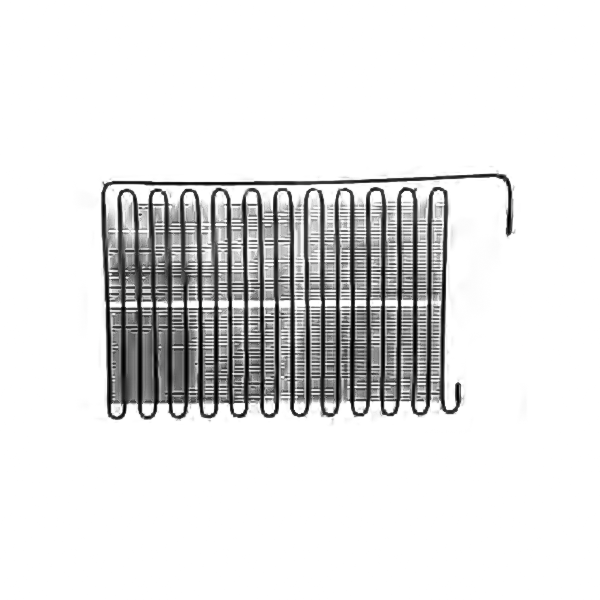
A tube condenser is a specialized heat exchanger designed to convert gaseous substances into their liquid state through the removal of latent heat. It operates by passing hot vapor through or around a series of tubes while a cooling medium flows in the opposite direction, facilitating efficient thermal transfer.
These devices are critical components in various industrial processes, including power generation, chemical processing, and HVAC systems. The fundamental principle relies on the temperature difference between the vapor and the cooling medium, typically water or air, which causes the vapor to lose energy and condense on the tube surfaces.
The operation of a tube condenser involves three distinct phases: superheated vapor cooling, phase change (condensation), and subcooling of the liquid. Understanding these stages is essential for optimizing performance and efficiency.
Heat transfer occurs primarily through convection and conduction. The vapor releases latent heat as it contacts the cooler tube walls. This heat is then conducted through the tube material and transferred to the cooling medium via convection. The efficiency of this process depends on factors such as tube material thermal conductivity, surface area, and flow turbulence.
Maintaining optimal pressure levels is crucial for effective condensation. In steam power plants, for example, condensers operate under vacuum conditions to lower the saturation temperature of steam, thereby increasing the thermodynamic efficiency of the Rankine cycle. A typical surface condenser might maintain a pressure of 0.08 bar absolute, corresponding to a saturation temperature of approximately 41°C (106°F).
Tube condensers are categorized based on their construction, flow arrangement, and application requirements. Each type offers specific advantages depending on the operational context.
| Type | Configuration | Primary Application | Key Advantage |
|---|---|---|---|
| Shell and Tube | Vapor in shell, coolant in tubes | Power plants, refineries | High pressure tolerance |
| Plate and Tube | Compact plate-fin design | Automotive, aerospace | Space efficiency |
| Air-Cooled | Finned tubes with fans | Water-scarce regions | No water consumption |
| Double Pipe | Concentric tubes | Small-scale processes | Simple maintenance |
The longevity and efficiency of a tube condenser heavily depend on the materials used for its construction. Engineers must balance thermal conductivity, corrosion resistance, and cost when selecting materials.
Fouling, the accumulation of unwanted deposits on tube surfaces, significantly reduces heat transfer efficiency. Regular maintenance strategies include chemical cleaning, mechanical brushing, and backflushing. Implementing water treatment programs can reduce fouling rates by up to 60%, extending maintenance intervals and improving overall system performance.
Tube condensers play pivotal roles across multiple industries, each with specific performance requirements and operational challenges.
In thermal power plants, surface condensers are essential for converting exhaust steam from turbines back into water for reuse in the boiler. A well-designed condenser can improve plant efficiency by 3-5% by maintaining low backpressure on the turbine. Large utility condensers may contain over 10,000 tubes and handle steam flows exceeding 1,000 tons per hour.
Distillation columns in refineries rely on condensers to separate components based on boiling points. These units must handle corrosive substances and high temperatures, often requiring exotic alloys like Hastelloy or Inconel. Precision in temperature control is vital, with tolerances often within ±1°C to ensure product purity.
Commercial refrigeration systems use tube condensers to reject heat from refrigerants. Modern designs focus on minimizing environmental impact by using eco-friendly refrigerants and optimizing energy consumption. Variable speed drives on cooling fans can reduce energy usage by 20-30% during partial load conditions.
Your email address will not be published. Required field are marked*

No.380 Kangyang Rd in the north,HuangdaiTown,Xiangcheng District,Suzhou City,215143

0512-65481378

 English
 中文简体
中文简体
