 English
 中文简体
中文简体Industry News
HOME / BLOG / Industry News / How can the cooling efficiency of copper tube fin-type evaporators be improved?



Content
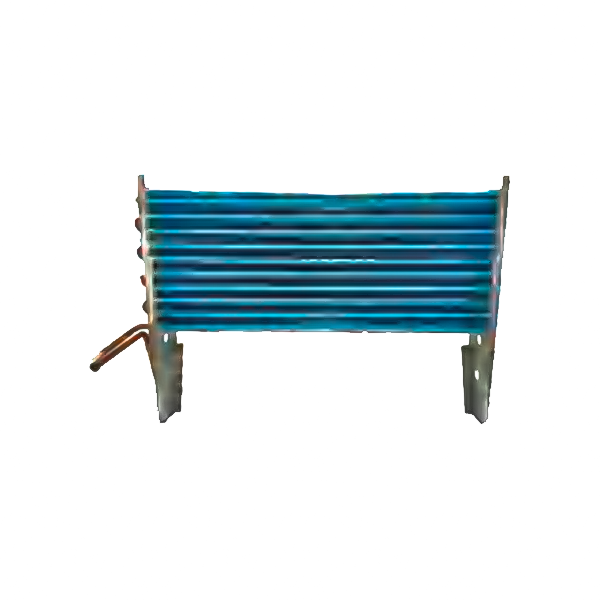
Copper tube fin-type evaporators are widely used in refrigeration and air conditioning systems due to their high thermal conductivity and robust performance. These evaporators consist of copper tubes carrying refrigerant, surrounded by aluminum or copper fins to increase the heat transfer surface area. The cooling efficiency of these evaporators is critical for system performance, energy consumption, and overall reliability. Improving this efficiency requires an understanding of airflow, refrigerant distribution, and surface cleanliness.
The performance of copper tube fin-type evaporators is influenced by multiple interrelated factors. Identifying these factors is the first step toward efficiency optimization.
The cooling efficiency depends largely on the effective heat transfer surface area. Fins are used to extend the surface area of the copper tubes, but their spacing, thickness, and material can greatly affect performance. Optimizing fin design ensures maximum heat transfer without creating excessive airflow resistance.
Even and sufficient airflow across the evaporator fins is essential. Uneven airflow can lead to hot spots and reduced overall cooling capacity. Fans, ducting, and system layout should be designed to ensure uniform airflow distribution over the evaporator surface.
Proper distribution of refrigerant inside the copper tubes ensures that all sections of the evaporator operate efficiently. Maldistribution can cause some areas to be underutilized while others may flood or starve. Optimizing tube layout and header design is crucial for balanced refrigerant flow.
Fin spacing, thickness, and material type directly impact heat transfer. Increasing the number of fins per inch or using materials with higher thermal conductivity improves heat exchange. However, overly dense fins may restrict airflow, so a balance must be achieved.
Improved airflow reduces thermal resistance between the fins and the air. Fans should be selected for adequate static pressure to push air evenly across the evaporator. Proper ducting and minimizing obstructions also enhance performance.
Dust, debris, and fouling on fins and tubes significantly reduce heat transfer efficiency. Periodic cleaning using compressed air, chemical sprays, or coil cleaning brushes ensures optimal performance.
Even distribution of refrigerant ensures all areas of the evaporator participate in cooling. Techniques such as using properly sized headers, balancing flow between parallel circuits, and monitoring refrigerant charge improve overall efficiency.
Special coatings, such as hydrophilic or anti-corrosion treatments, can enhance heat transfer while reducing frost accumulation on the fins. This leads to more consistent cooling performance in humid or low-temperature environments.
Combining the evaporator with variable-speed fans or compressors allows the system to operate closer to optimal thermal conditions, reducing energy waste and improving cooling efficiency under fluctuating loads.
Modern HVAC and refrigeration systems benefit from sensors and control systems that adjust airflow, refrigerant flow, and temperature in real-time. This active control ensures that the evaporator operates at peak efficiency at all times.
| Method | Effect on Cooling Efficiency |
| Optimized Fin Design | Increases heat transfer surface area and turbulence |
| Improved Airflow | Reduces thermal resistance across the coil |
| Regular Cleaning | Prevents fouling and maintains peak performance |
| Balanced Refrigerant Flow | Ensures all coil areas participate in cooling |
| Surface Coatings & Monitoring | Reduces frost accumulation and maintains consistent efficiency |
Enhancing the cooling efficiency of copper tube fin-type evaporators requires a combination of material optimization, airflow management, refrigerant distribution, and regular maintenance. By carefully designing fin geometry, ensuring uniform airflow, maintaining clean surfaces, and using advanced monitoring or coating technologies, these evaporators can achieve higher thermal performance and energy efficiency. Implementing these measures ensures reliable operation, lower energy consumption, and extended service life in HVAC and refrigeration systems.
Your email address will not be published. Required field are marked*

No.380 Kangyang Rd in the north,HuangdaiTown,Xiangcheng District,Suzhou City,215143

0512-65481378


