



Content
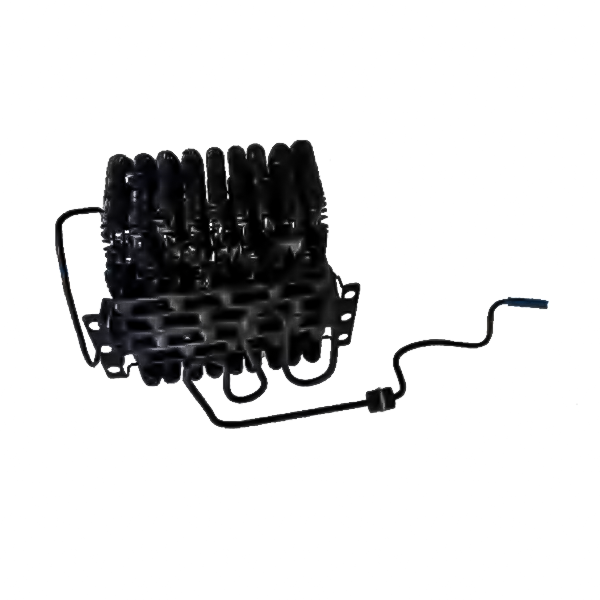
Rotary fin condensers enhance heat rejection in refrigeration and HVAC systems by mechanically rotating extended surface fins through ambient air streams to disrupt boundary layers and increase effective heat transfer coefficients by 30–50% compared to static fin designs. This active convection mechanism allows for significantly more compact heat exchanger footprints while maintaining or improving condensing temperatures, directly translating to lower compressor head pressures and reduced energy consumption in high-ambient or space-constrained installations such as transport refrigeration, mobile cooling units, and dense urban rooftop applications.
The rotational action continuously exposes fresh fin surfaces to airflow and prevents localized hot spots that plague stationary coils under variable load conditions. Field measurements demonstrate condensing temperature reductions of 3–8°C in retrofit scenarios, yielding system COP improvements of 10–18% depending on baseline operating conditions. This performance gain comes with added mechanical complexity requiring proper bearing specification and drive system sizing to ensure reliable long-term operation.
Effective rotary fin condenser design balances aerodynamic drag, structural integrity, and thermal effectiveness through precise geometric control. Optimal fin spacing ranges from 2.5mm to 4.0mm for rotary applications, narrower than static equivalents, because rotation mitigates fouling accumulation that would otherwise block tighter passages. Fin thickness typically spans 0.15–0.30mm aluminum alloy, with thicker gauges reserved for corrosive environments or high-RPM units experiencing greater centrifugal stress.
Rotational speed and bearing selection determine both thermal performance and service life. Excessive RPM induces vibration and premature wear without proportional heat transfer gains due to diminishing returns in boundary layer disruption.
Rotary fin condensers require scheduled mechanical inspection intervals not applicable to static coils, with bearing lubrication and alignment checks mandated every 4,000–6,000 operating hours. Neglecting these intervals accounts for approximately 75% of unplanned downtime events in fielded units. Unlike passive heat exchangers cleaned only when visibly fouled, rotary systems demand proactive monitoring of vibration signatures and motor current draw to detect imbalance, bearing degradation, or fin damage before catastrophic failure occurs.
Standard pressure washing techniques risk bending delicate rotating fins. Specialized procedures preserve geometric integrity while removing accumulated debris.
| Contaminant Type | Recommended Method | Max Pressure / Notes |
|---|---|---|
| Dry Dust / Pollen | Low-pressure compressed air (rotating) | ≤3 bar; nozzle ≥300mm from fins |
| Grease / Oil Mist | Alkaline foam cleaner + low-pressure rinse | ≤5 bar; avoid direct bearing contact |
| Mineral Scale | Citric acid descaling solution soak | pH 2–3; neutralize post-treatment |
| Biological Growth | Quaternary ammonium biocide spray | Contact time 15 min; no high-pressure |
Rotary fin condensers deliver maximum ROI in applications with limited installation volume, high ambient temperatures (>35°C), or significant particulate loading where static coils foul rapidly. Transport refrigeration, marine engine room cooling, and mining equipment represent ideal use cases where the premium for rotating components is justified by sustained performance under harsh conditions. Standard commercial rooftop AC units rarely benefit sufficiently to offset added maintenance costs unless existing static condensers are chronically undersized or located in severely contaminated airstreams.
Retrofitting existing systems requires verifying compressor compatibility with altered condensing profiles. The enhanced heat rejection capability may reduce discharge pressure below minimum thresholds for certain expansion valve types or oil return mechanisms, necessitating control adjustments or component replacements. Electrical supply capacity must accommodate continuous motor draw plus startup inrush; undersized circuits cause nuisance tripping during peak ambient periods. Always conduct a full thermodynamic analysis comparing annual energy savings against total cost of ownership including bearing replacements, drive maintenance, and potential downtime before committing to rotary technology over upgraded static alternatives.
Your email address will not be published. Required field are marked*

No.380 Kangyang Rd in the north,HuangdaiTown,Xiangcheng District,Suzhou City,215143

0512-65481378

 English
 中文简体
中文简体
